Overhang support for islands and wine bars
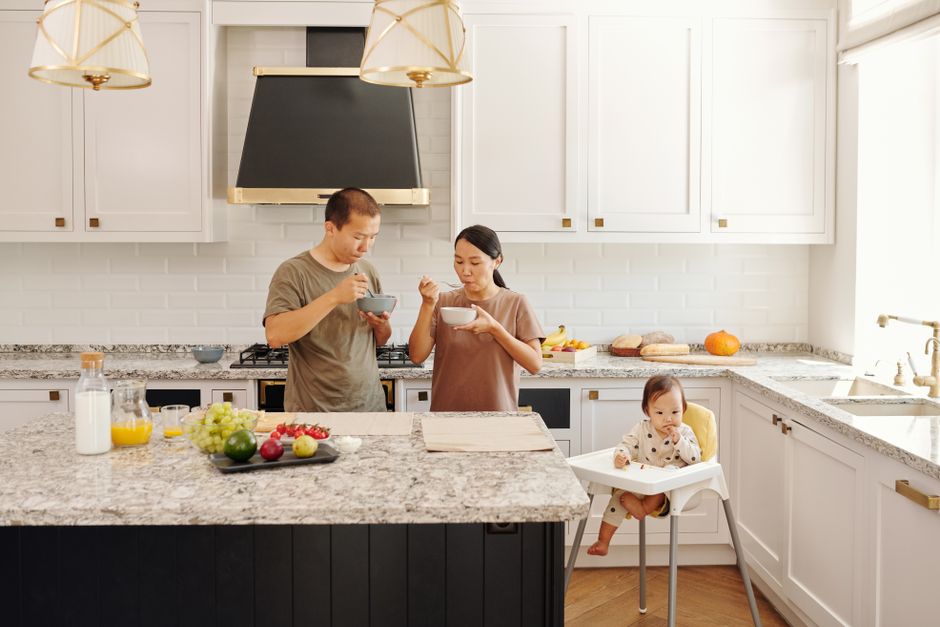
Measure the gap between the island panel and the front edge of the stone, then compare it with the breakdown sitting on kitchen countertops temecula euni wizard. Entertaining is built into Temecula, CA kitchens, with tasting-style bars and long islands in the middle of wine country, and every countertop with seating carries weight where nothing sits underneath it.
How far is too far
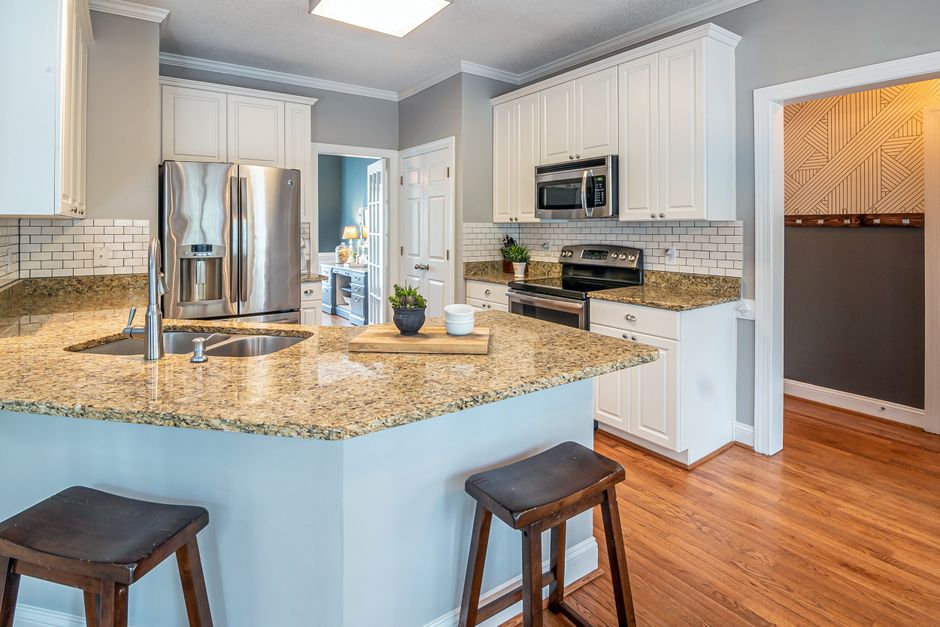
A three centimetre granite or quartz slab usually holds ten to twelve inches of overhang without help. Past that, the stone needs support. A two centimetre slab is thinner and needs a plywood sub-top and a shorter reach. Barstool seating needs about twelve inches of knee room, so the support has to live at the sides, not under the seat.
Corbels and steel
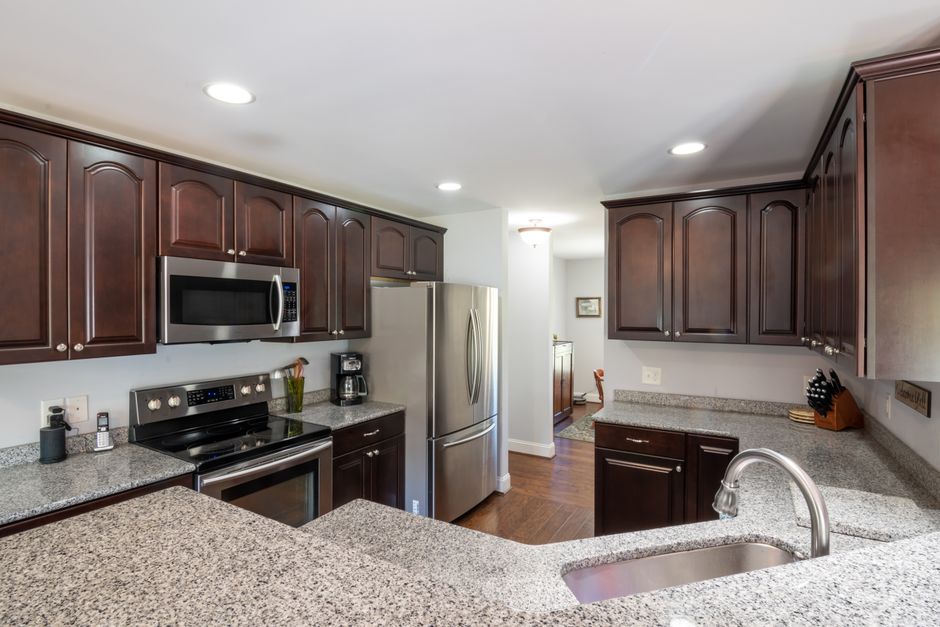
A decorative corbel or leg at each end carries a bar top and looks like it belongs in a tasting room. A hidden steel bracket, bolted to the cabinet frame and set into a routed slot, gives the same strength with a clean line. For a long overhang on a heavy waterfall edge island, the shop may fit a steel plate bonded under the slab itself.
Seams near the overhang
A seam within a foot or so of the overhang is a weak point. Stone breaks where a joint meets an unsupported span, so good seam placement keeps the joint over cabinet, not over air. A slab long enough to run the whole island in one piece avoids the question, but it also has to fit through the door and around the corner at the house.
Material matters
Granite and quartzite are strong in bending. Marble and soapstone are softer and crack more easily at a long span. Porcelain is thin and brittle at the edge and wants a build-up lip. A remnant used for a small wine bar top works well as long as its thickness matches the main run.
Edge choices
A bullnose or eased edge is gentler on elbows. A square edge with a mitred apron looks thick but adds weight. Whatever the edge profile, the overhang gets checked during templating, with the stools standing at the counter.
Ask the installer to leave the support visible during the visit so the span can be looked at before the toe-kick goes back on. A bracket that cannot be seen cannot be checked.