Quartz or granite for a kitchen that bakes all summer
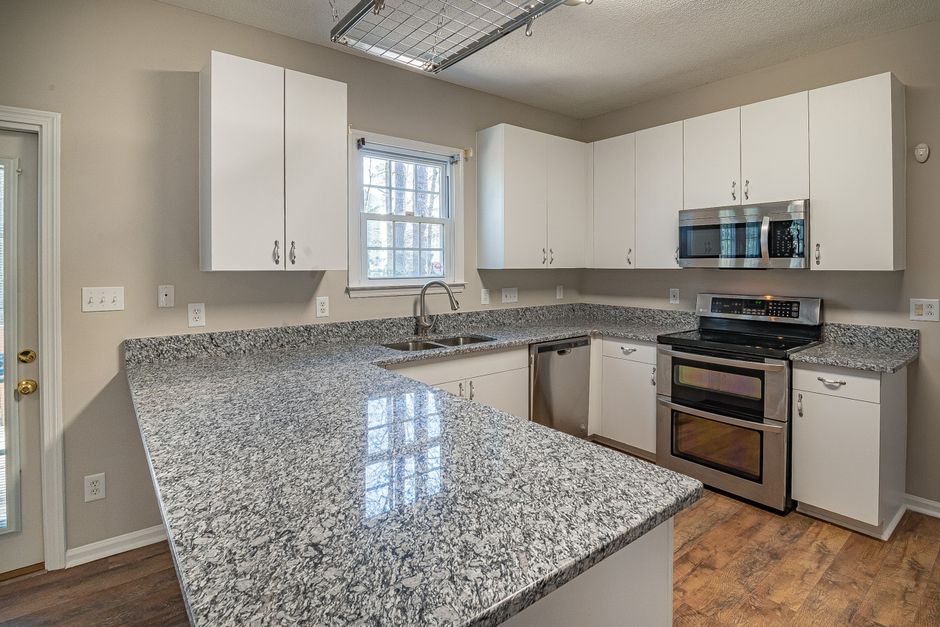
Nothing about a slab looks heat-sensitive until a July afternoon in the Temecula Valley proves otherwise, and the notes kept at kitchen countertops temecula euni wizard cover that case first. A kitchen with south facing glass in Temecula, CA gets direct sun on the countertop for hours, and the stone has to live with it.
What quartz is made of
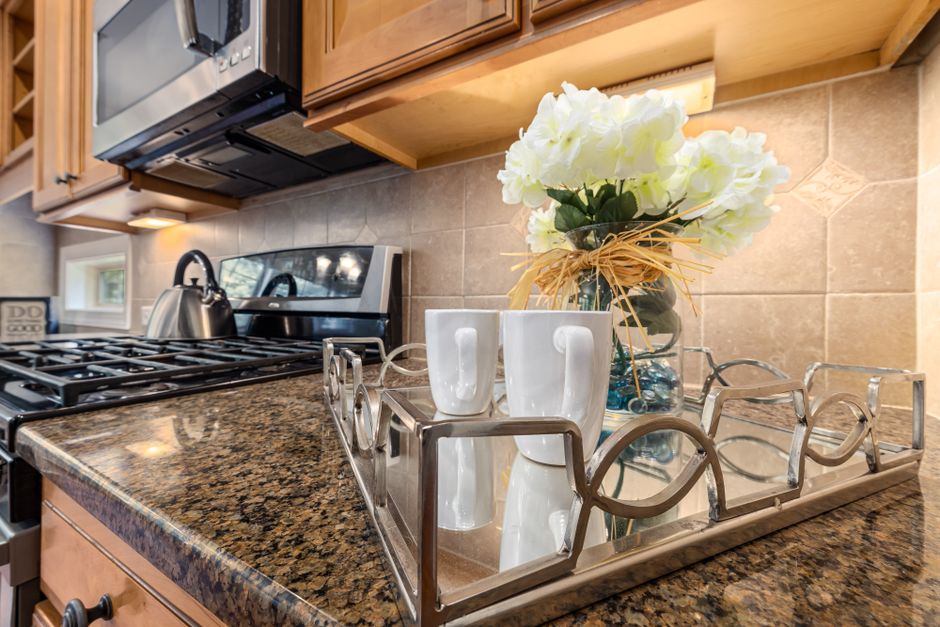
Engineered quartz is ground stone bound with resin. Resin softens and can discolour under sustained heat, so a hot pan set straight on the surface can leave a pale or scorched ring. Daily sun is a slower version of the same problem: a quartz slab placed where the sun lands for most of the day can yellow over the years, especially the whites.
What granite does better
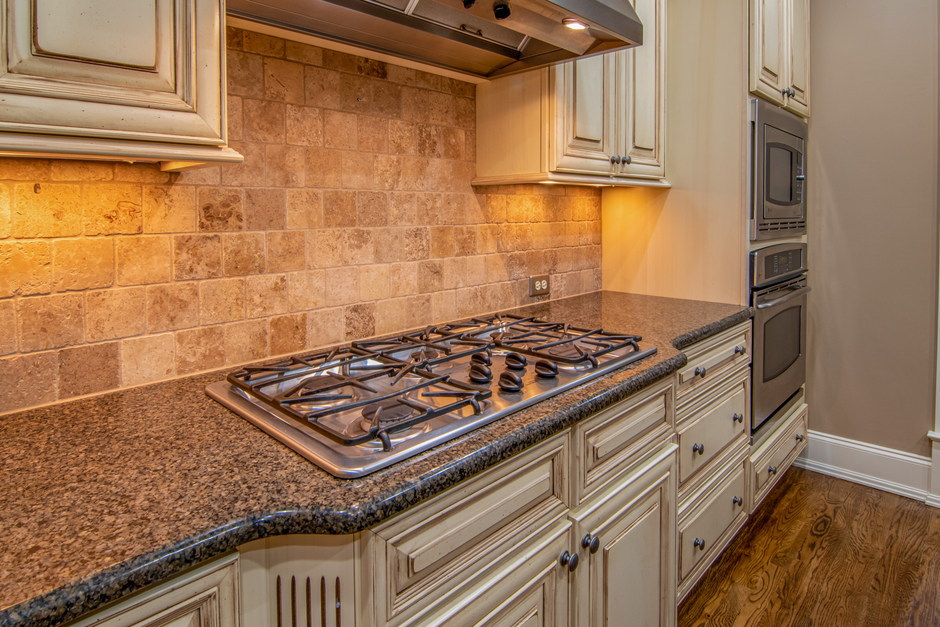
Granite is solid natural stone and takes a hot pot without marking. It will not fade in sun. The trade-off is porosity: most granite wants sealer, and a dark slab shows water rings if the seal wears out. Sealing is a wipe-on job once a year, not a project.
Quartzite and the lookalikes
Quartzite is harder than granite and holds heat well, but some stones sold under that name are really marble or soft dolomitic stone. Marble etches under citrus and wine, and a kitchen in wine country gets plenty of both. Ask the fabrication shop for a scratch and acid test on the actual slab before committing.
Glare and finish
A polished surface throws sunlight straight back at the cook. A honed finish cuts the glare but shows oil more easily, and a leathered granite sits between the two. Look at the sample at the window where it will live, in the afternoon, not under shop lights.
Cooking habits decide it
A household that sears on a stove and sets pans down fast belongs on granite or quartzite. A household that bakes and wipes down every day does fine with quartz, provided a trivet sits under anything hot from the oven. Porcelain slab is a third option with strong heat tolerance, though its edge profile choices are narrower and the cutouts need a shop with the right blades.
Whatever the material, ask for seam placement away from the cooktop cutout. Heat stress concentrates at corners, and a seam sitting a few inches from a range corner is a bad bet.